

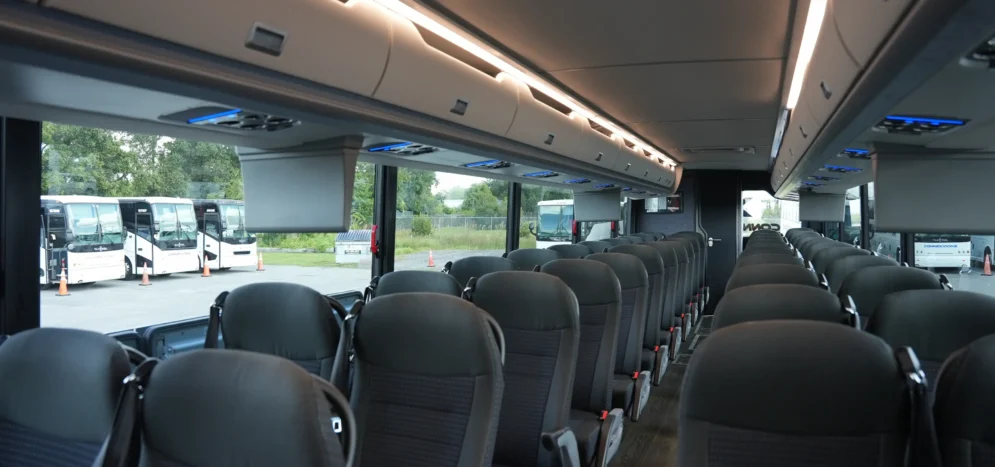
Wondering how many seats on a charter bus? Seat count is one of the most important factors in charter bus planning and it varies more than most people expect. Depending on the type of vehicle, a charter bus can seat anywhere from 15 to 57 passengers. Here’s everything you need to know before you book.
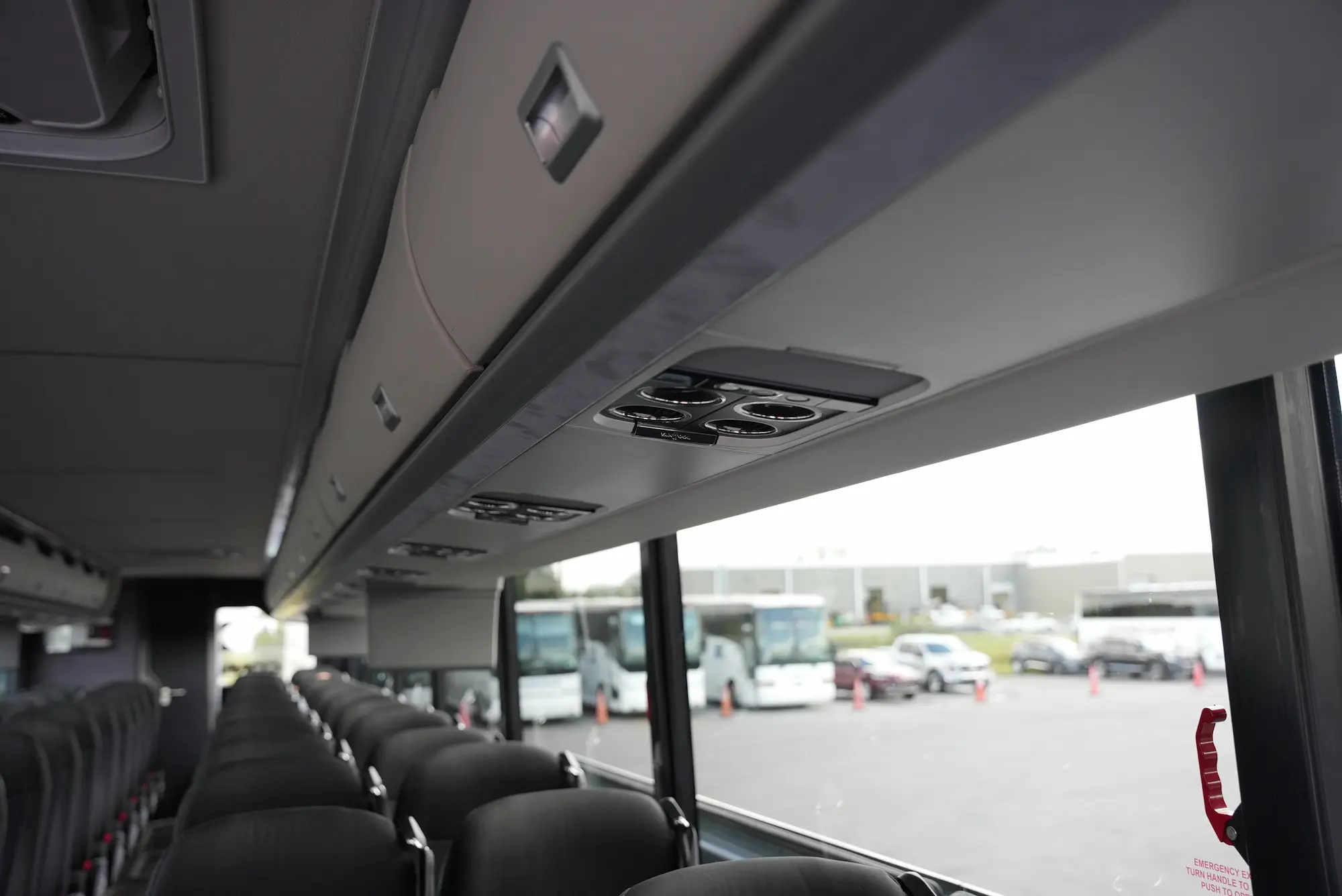
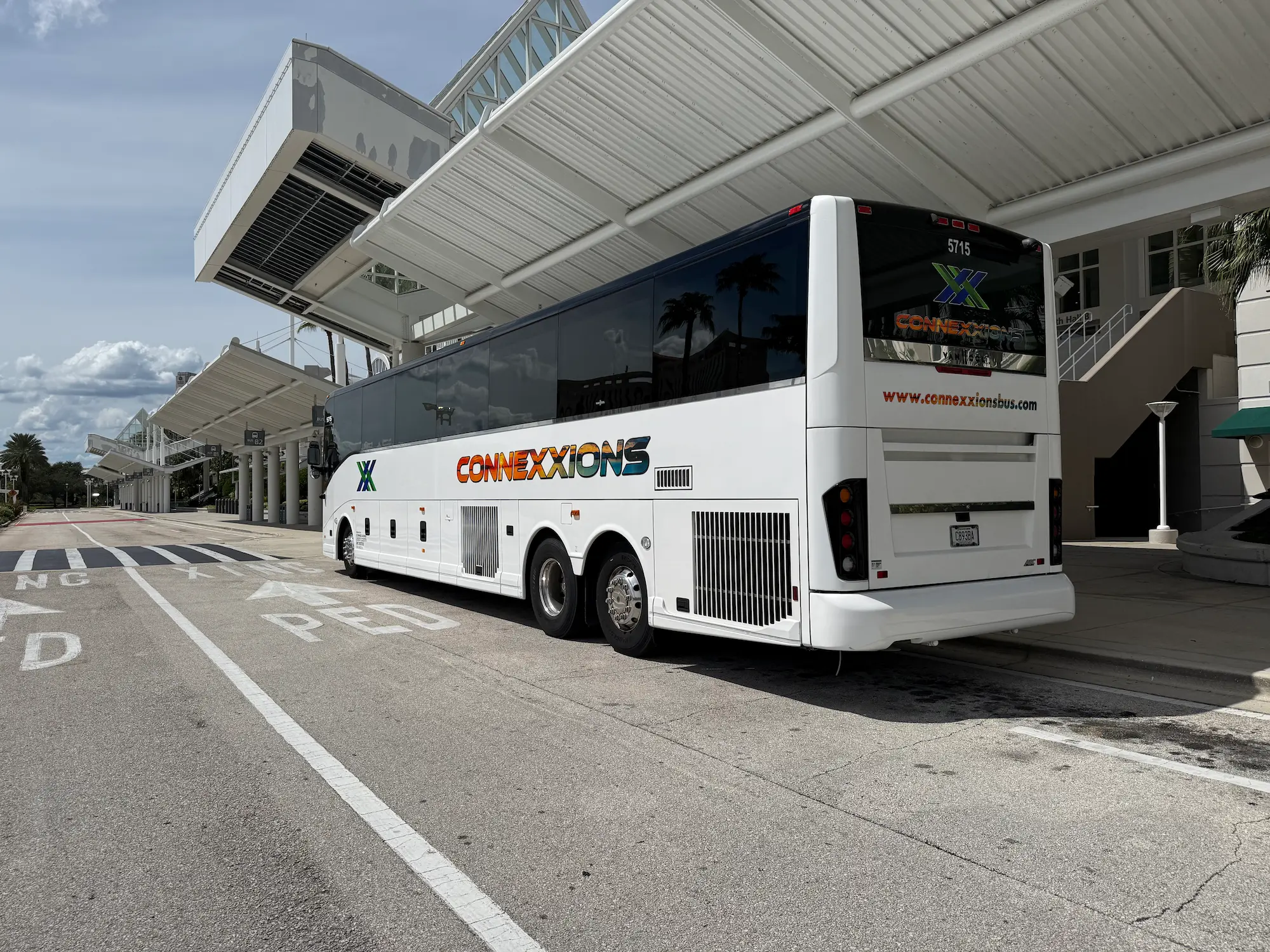
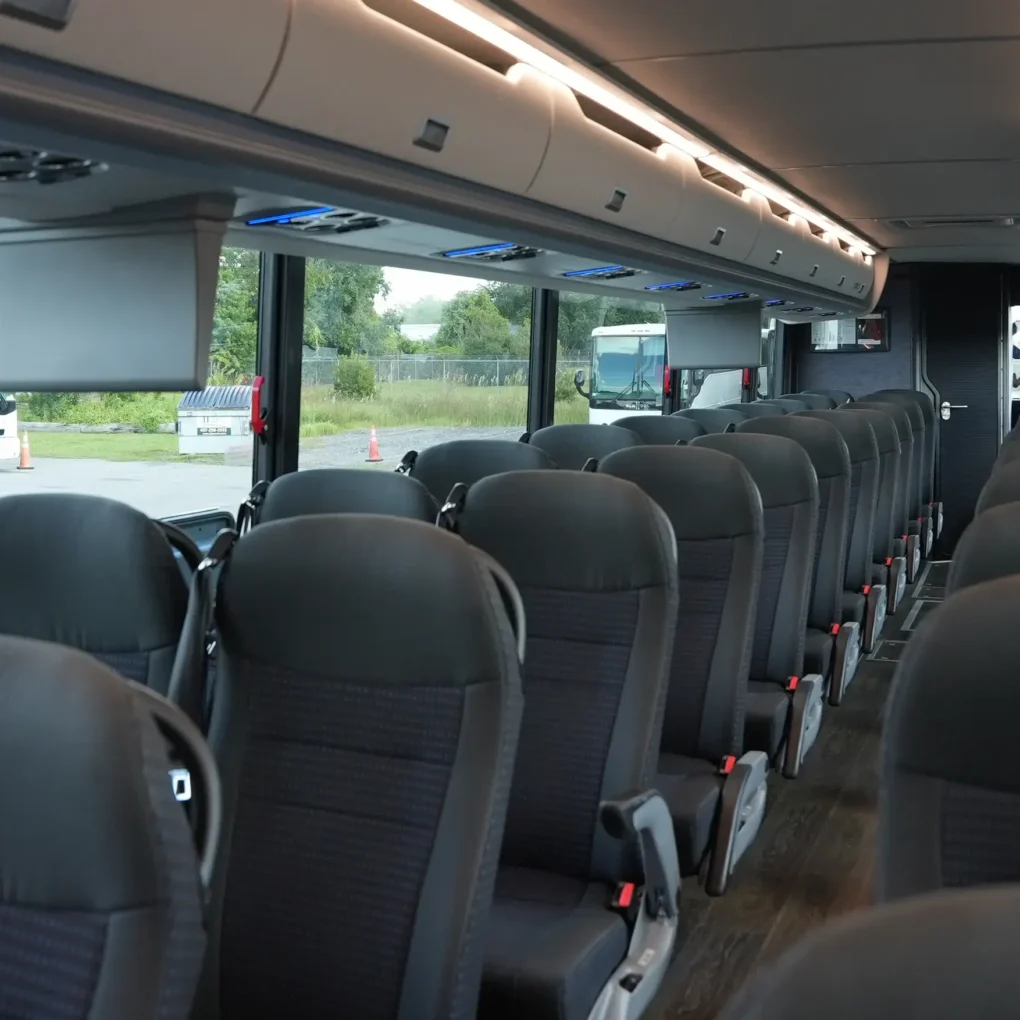
How Many Seats on a Charter Bus? Quick Overview
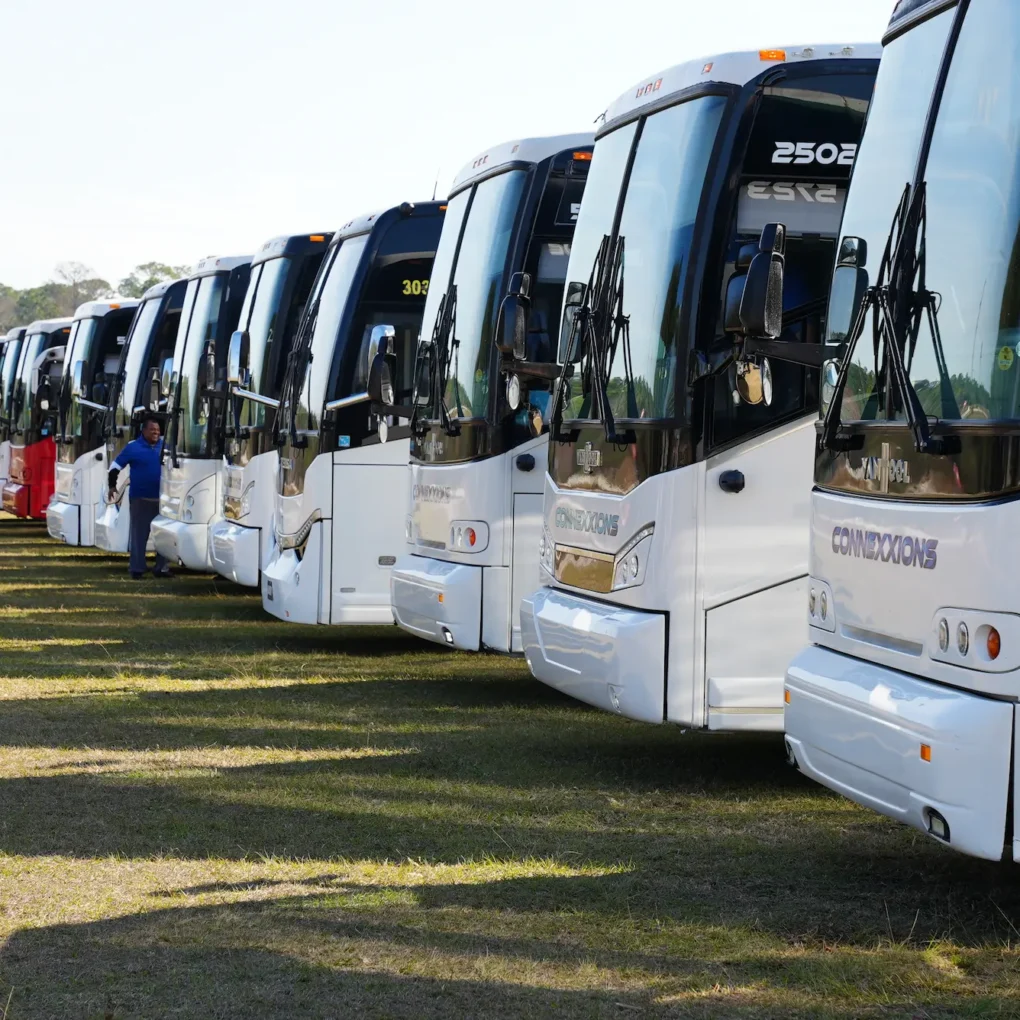
A standard full-size charter bus, also called a motorcoach typically seats between 49 and 57 passengers. However, “charter bus” is a broad term that encompasses several vehicle types, each with a different seating capacity. The right choice depends on your group size, trip length, and the level of comfort you want.
Here’s a quick overview of how many seats on a charter bus by type:
| Bus Type | Typical Seating Capacity |
|---|---|
| Minibus | 15–35 passengers |
| Mid-size charter bus | 35–48 passengers |
| Full-size motorcoach | 49–57 passengers |
| Double-decker bus | 60–80 passengers |
| School bus (converted) | 48–72 passengers |
Full-Size Charter Bus / Motorcoach (49–57 Seats)
The full-size motorcoach is the most commonly rented charter bus in the United States. These are the large, over-the-road coaches you see on highways used by sports teams, corporate groups, and tour operators.
How Many Seats Does a Full-Size Charter Bus Have?
Typical seat count: 55 passengers is the most common configuration, though you’ll find buses ranging from 49 to 57 seats depending on the manufacturer and whether the operator has added amenities like a restroom or overhead storage.
What Affects the Seat Count?
Onboard restroom: A rear lavatory typically removes 2–4 seats from the standard layout. Overhead luggage bays: Most motorcoaches have large overhead bins, so the seat count stays high even with generous storage. VIP or luxury upgrades: Some operators reconfigure seats into wider, reclining executive-style seats, which can reduce capacity to 40–48.
Best for: Corporate retreats, sports team travel, concert tours, large wedding parties, multi-day group tours
Mid-Size Charter Bus (35–48 Seats)
Mid-size charter buses are a popular middle ground — large enough for a substantial group, but more maneuverable in urban areas and easier to fill if your headcount is between 35 and 48 people. Paying for empty seats on a 55-passenger coach gets expensive, so matching bus size to group size matters.
Best for: School field trips, medium-sized corporate groups, family reunions, winery tours
Minibus (15–35 Seats)
Minibuses are ideal for smaller groups or shuttle-style transportation. They’re widely used for airport transfers, hotel shuttles, and local tours. The most common configurations are 15-passenger, 20-passenger, 24-passenger, and 28-to-35-passenger vans and minibuses.
What to know: A standard 15-passenger van (like a Ford Transit or Mercedes Sprinter) is often grouped into this category but is technically a van, not a bus. True minibuses start around 20–24 seats.
Best for: Airport shuttles, small corporate groups, wedding transportation for a bridal party, brewery or winery hops
Double-Decker Bus (60–80 Seats)
While less common for private charter in the US compared to the UK, double-decker buses are available in some markets. They offer the highest passenger capacity of any single bus, making them popular for sightseeing tours and very large group movements.
Best for: Sightseeing, large-scale event transportation, festival shuttles
How Many Seats Are on a Standard Charter Bus?
When most people ask about a “standard charter bus,” they’re referring to a full-size motorcoach. The standard configuration has 55 seats, arranged in a 2-and-2 layout across the width of the bus with a center aisle. Some configurations are 2-and-1, offering a wider single seat on one side and reducing total capacity slightly.
The 55-seat layout is the industry default because it balances maximum capacity with enough aisle space for comfortable boarding and movement. You can also learn more about federal motor carrier regulations that govern charter bus capacity.
Does the Seating Capacity Change Based on the Trip?
Yes — when asking how many seats on a charter bus, amenities can affect the legal passenger count:
- Restroom-equipped buses typically seat 2–4 fewer passengers
- ADA-accessible buses may have fold-up wheelchair positions that displace 1–2 standard seats
- Charter buses with underseat storage may configure seats differently than those relying solely on overhead bins
Always confirm the exact seat count with your charter company when getting a quote, not just the bus “type.”
How to Choose the Right Charter Bus Size
A few rules of thumb to get the right fit when deciding how many seats on a charter bus you need:
Don’t Overpay for Empty Seats
If your group is 38 people, a 55-seat motorcoach means you’re paying for 17 empty seats. A mid-size bus will cost less and feel less cavernous.
Leave a Buffer
If your group is exactly 55 people, don’t book a 55-seat bus. Unexpected additions, equipment, or the need to place bags in seats can leave people stranded. Aim for 10–15% more capacity than your headcount.
Think About Luggage
Overnight trips or multi-day tours mean everyone has a suitcase. Most full-size motorcoaches have large undercarriage luggage bays that hold baggage separately from the seating area — but confirm this with your operator. See our guide on how far in advance to book a charter bus for planning tips.
Consider the Route
Narrow city streets, low bridges, or parking garages may make a full-size motorcoach impractical. In those cases, two minibuses may work better than one large coach.
Frequently Asked Questions: How Many Seats on a Charter Bus?
How many seats does a Greyhound-style bus have?
A standard over-the-road coach like a Greyhound typically seats 47–55 passengers, depending on the model (Prevost, MCI, or Van Hool are the most common in the US).
Can a charter bus hold 60 people?
A standard motorcoach maxes out around 57 passengers. To seat 60 or more, you’d need either a double-decker bus or two vehicles. Some specialty configurations exist but are not typical.
How many rows of seats are on a charter bus?
A 55-seat motorcoach typically has 14 rows of seats (2 seats on each side of the aisle = 4 seats per row x 13–14 rows, plus a rear bench). The exact number of rows varies slightly by bus model.
What is the maximum legal capacity of a charter bus?
The maximum legal passenger capacity is determined by the manufacturer and listed on the vehicle’s certification plate. In the US, it must not be exceeded under federal motor carrier regulations. For full-size motorcoaches, this is typically 55–57 passengers plus the driver.
How many seats are on a school bus vs. a charter bus?
A standard school bus (Type C or D) seats 48–72 students, but the seats are narrower and designed for children. Adult charter buses have wider seats (typically 17–18 inches) and seat 49–57 adults comfortably.
Ready to Book the Right Size Bus?
Now that you know how many seats on a charter bus, the next step is matching your group size to the right vehicle. Get a quote and find the perfect bus for your trip, whether you’re moving 15 people or 55.