


Field trips are one of the most memorable parts of the school year, for students and teachers alike. But behind every successful field trip is a logistical plan that starts with one critical decision: how are you getting everyone there? A charter bus for field trips is the safest, most organized, and most cost-effective solution available to schools and teachers planning group outings.
In this complete guide, we’ll cover everything you need to know: from how to request a school charter bus, what questions to ask the company, to tips that make the day run smoothly from first bell to final drop-off.
Why Schools Use Charter Buses for Field Trips
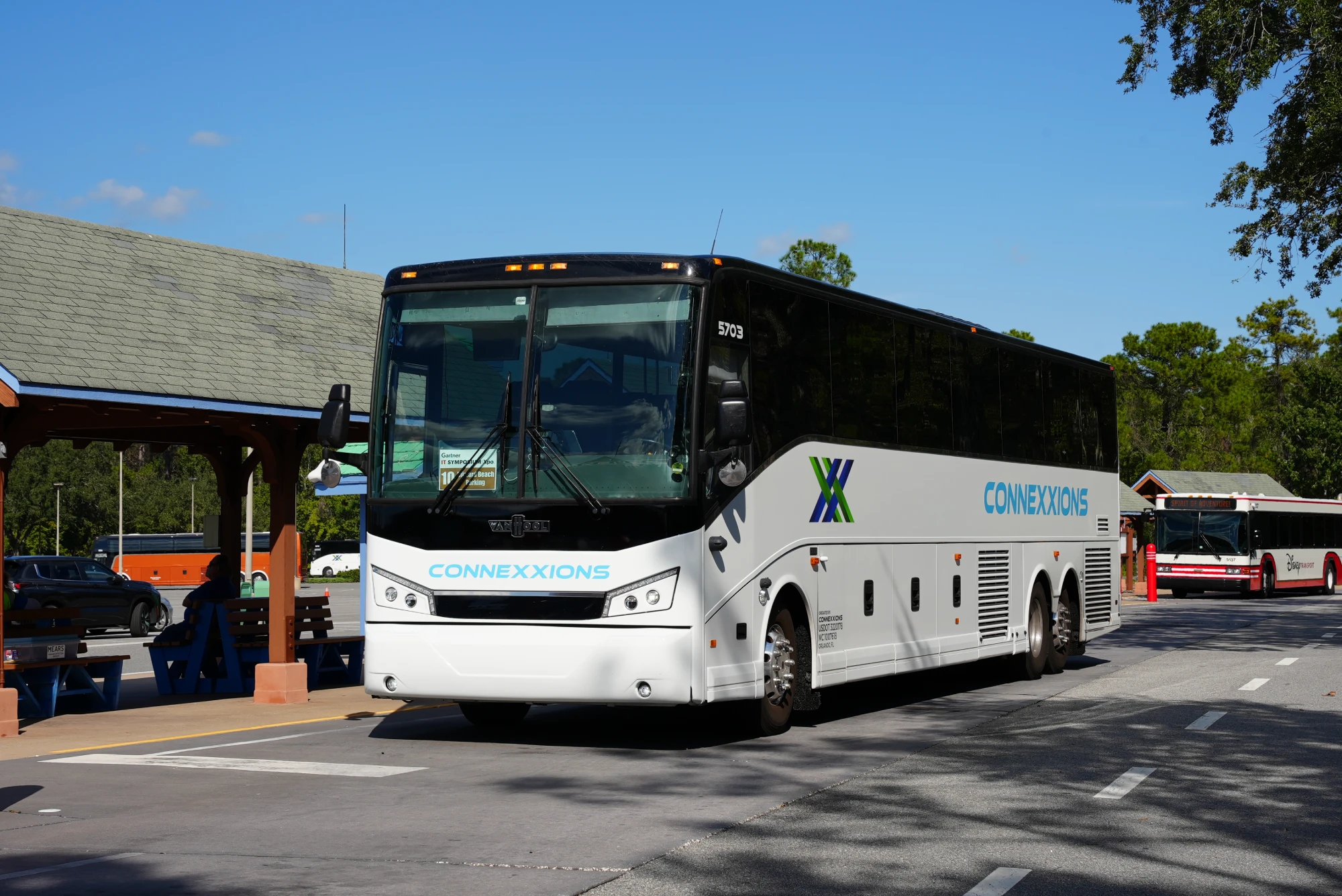
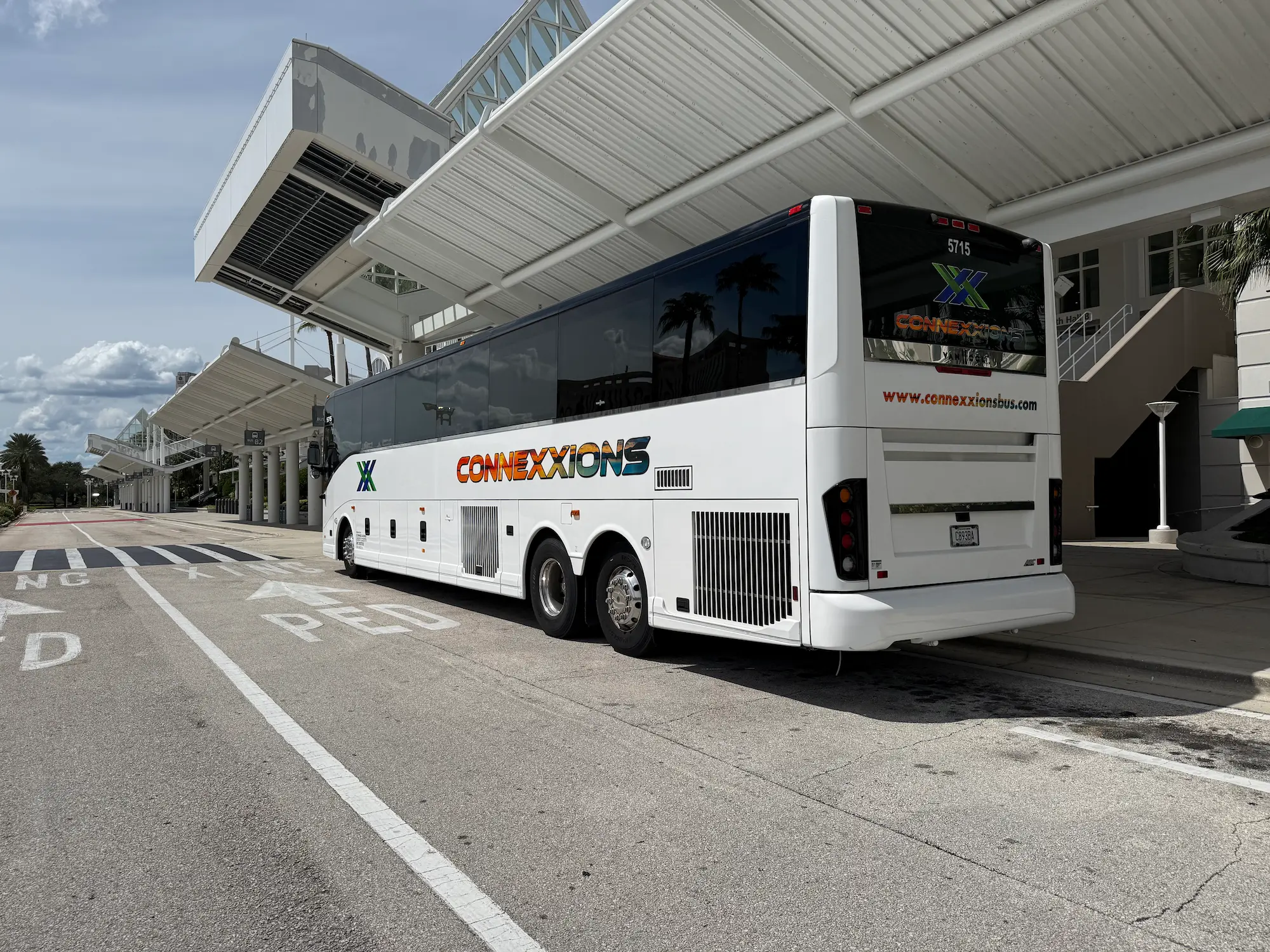
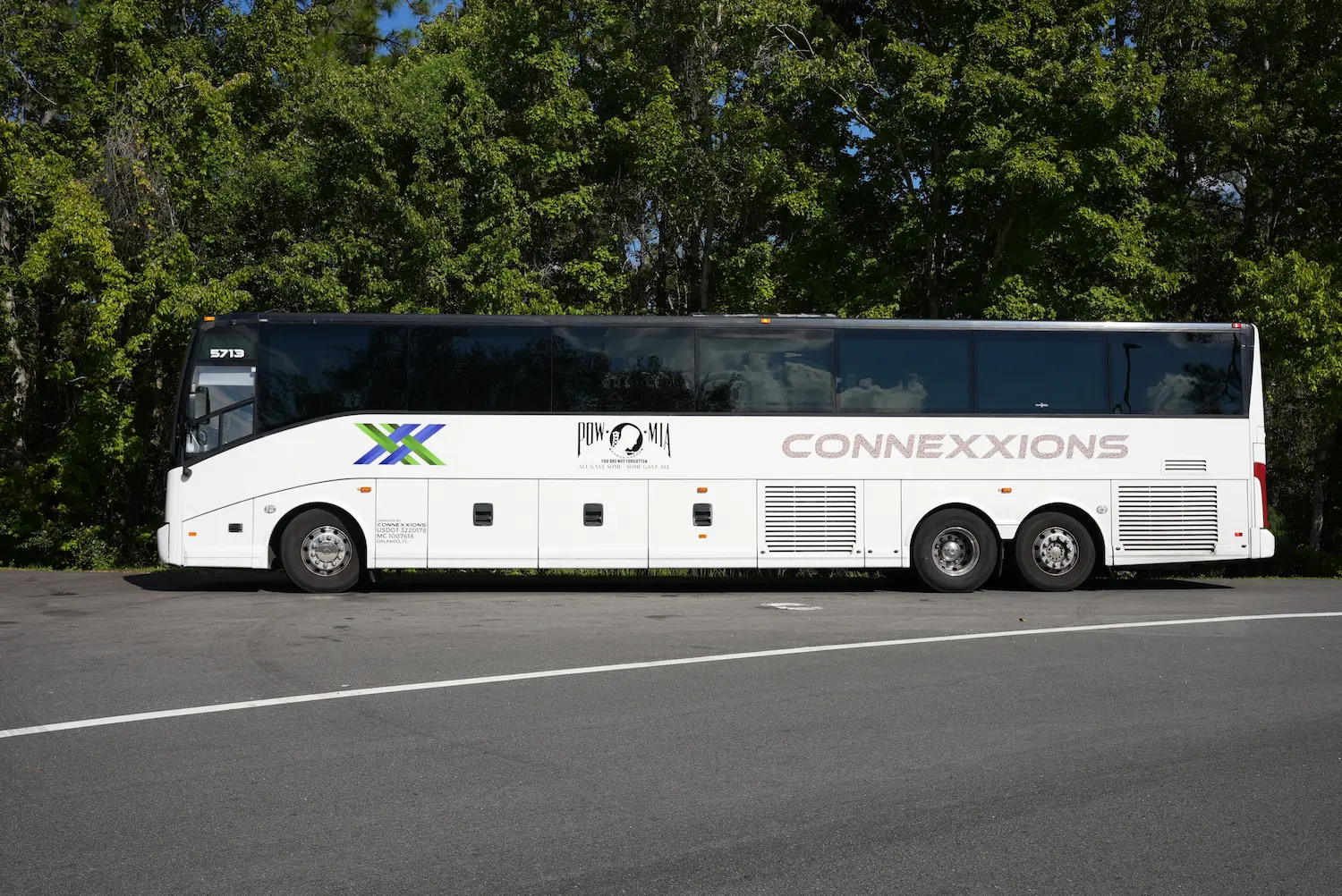
Most schools rely on either district-owned school buses or chartered transportation for field trips. While yellow school buses are familiar, they come with real limitations: limited seating comfort, no climate control, a restricted travel radius, and often a shortage of available vehicles on popular dates. Charter buses fill this gap with purpose-built group transportation that’s better suited for longer trips and larger groups.
Safety First
Charter buses are operated by licensed commercial drivers with CDL (Commercial Driver’s License) credentials and are subject to federal DOT safety regulations. Reputable charter companies maintain their fleets to strict mechanical standards and carry commercial liability insurance. For schools, this means peace of mind: the transportation provider is accountable at a professional level.
More Comfortable for Students
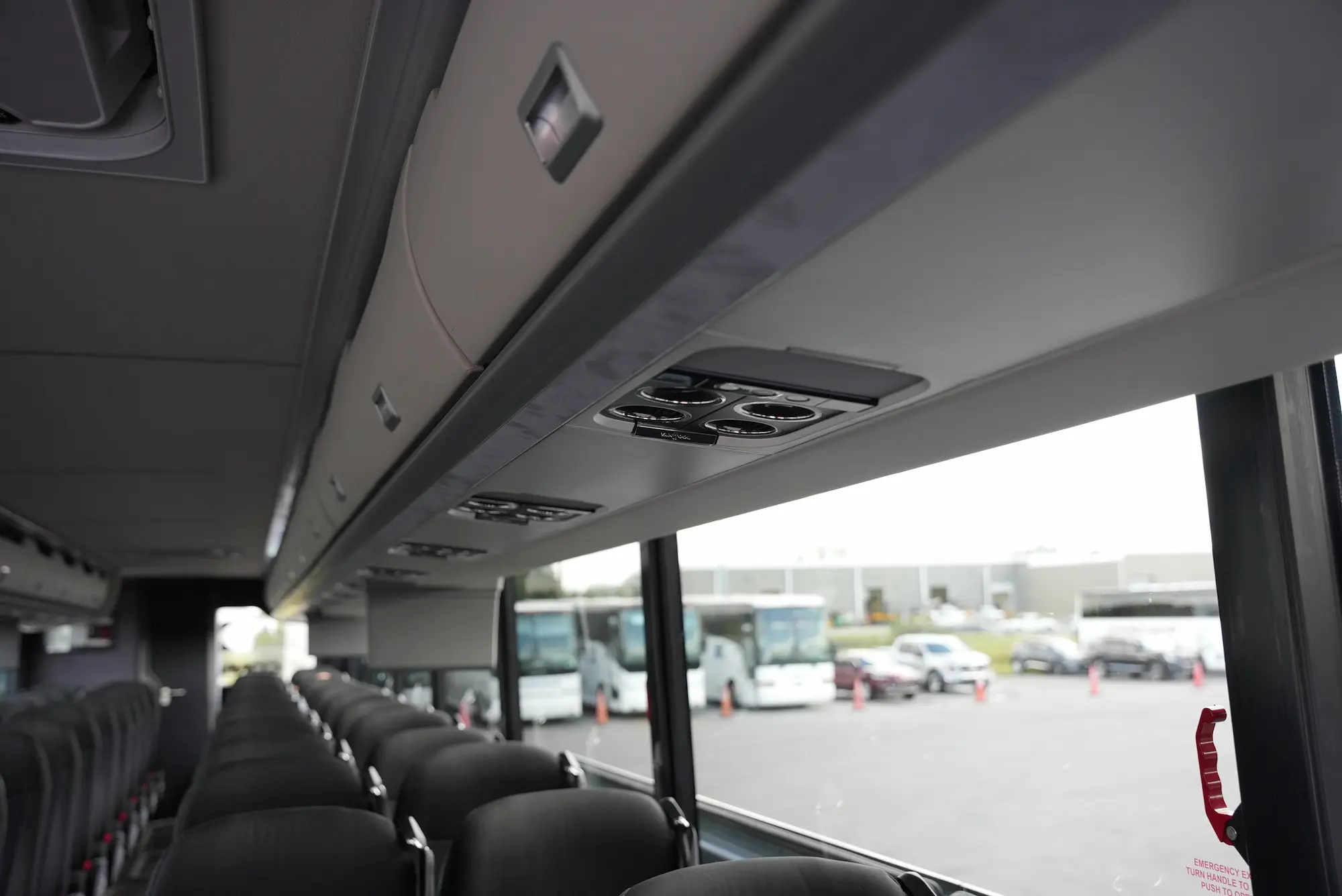
Modern charter buses feature padded reclining seats, air conditioning, and interior lighting, a significant upgrade from a standard school bus for longer trips. Students are more comfortable, which means fewer complaints, less motion sickness, and a better state of mind upon arrival. For trips over 45 minutes, the comfort difference is noticeable and appreciated.
Keeps the Group Together
Splitting students across multiple small vehicles, or relying on parents to drive, creates supervision challenges and coordination headaches. One charter bus means one group, one departure time, and one driver accountable for the route. Teachers and chaperones can focus on the students, not on coordinating a caravan.
More Capacity for Larger Groups
A full-size charter bus seats 55–56 passengers, which is enough for a full class plus teachers and chaperones, all in one vehicle. If your trip includes multiple classes, booking two charter buses is often simpler and safer than mixing school buses, parent vehicles, and permission slip logistics across dozens of families.
Types of Field Trips That Use Charter Buses
Charter buses serve a wide range of educational outings. Some of the most common include:
Museum and Cultural Visits
Art museums, science centers, history museums, and cultural institutions are classic field trip destinations. These venues are often located in city centers where parking is limited, making a drop-off and pick-up arrangement with a charter bus far more practical than arriving in a fleet of vehicles.
Nature and Outdoor Education Trips
National parks, botanical gardens, wildlife sanctuaries, and outdoor learning centers often require traveling outside the city. Charter buses handle highway distances comfortably and can navigate rural access roads to reach destinations that smaller vehicles might struggle with.
Performing Arts and Theater
Orchestra performances, theater productions, ballet recitals, and cultural festivals are popular enrichment trips for arts programs. Charter buses make it easy to keep a large group of students together in venues that often have strict timing requirements for seating.
College and Career Exploration Trips
High school programs often organize visits to colleges, career fairs, and professional workplaces as part of college readiness curricula. These trips benefit from the professional appearance of a charter bus, which sets the right tone for students visiting academic and professional environments.
Multi-Day Educational Trips
Washington D.C. trips, state capital visits, and other overnight educational experiences require transportation that can handle long distances comfortably. Charter buses are commonly used for these trips because of the onboard amenities: reclining seats, restrooms, and storage bays for luggage, making multi-hour or multi-day travel manageable.
How to Book a Charter Bus for a School Field Trip
Booking charter transportation for a school field trip typically involves the school’s administration, the teacher organizing the trip, and sometimes a school board approval process. Here’s how the process typically works:
Step 1: Get Administrative Approval Early
Most public schools require field trips to be approved by the principal, department head, or district office before any transportation is arranged. Start this process as early as possible. Aim for several months in advance for multi-day trips and 6–8 weeks ahead for single-day outings. Administrative timelines can be slow, and transportation availability gets limited quickly.
Step 2: Gather Your Trip Details
Before contacting a charter company, have the following ready: total headcount (students + chaperones + teachers), pickup location (typically the school), destination address, desired departure time, expected return time, and any accessibility requirements for students with disabilities. The more specific your request, the more accurate your quote will be.
Step 3: Request Quotes from Charter Companies
Contact one or more charter bus companies to get quotes based on your trip details. Ask specifically about their experience transporting school groups, their driver licensing and background check policies, and whether their vehicles are ADA-accessible if needed. Compare quotes not just on price, but on safety record, insurance coverage, and vehicle quality.
Step 4: Confirm Booking and Share Details with the School
Once approved and booked, share the transportation details with parents in the permission slip, including the charter company name, bus number (if available), and expected departure and return times. Transparency with families builds trust and reduces anxiety about off-campus travel.
Tips for Teachers and Chaperones on the Day of the Trip
Even with great transportation arranged, the day can go sideways without solid on-the-ground coordination. Here are tips that experienced teachers use to keep field trips running smoothly:
Assign Seating Groups in Advance
Pre-assigning students to seats or rows makes boarding faster and reduces chaos at departure time. Group students with their chaperone in adjacent rows so supervision is intuitive and contact is easy during the trip.
Do a Headcount at Every Transition
Count students before departing school, before leaving the destination, and before pulling away from any stop. Assign each chaperone a specific group of students they’re responsible for tracking. Confirm the count with the driver before departure. A good driver will welcome this protocol.
Brief Students on Bus Behavior
Remind students of behavior expectations before boarding: stay seated while the bus is moving, keep voices at a reasonable level, respect the driver’s instructions, and handle any trash before exiting. Charter companies appreciate groups that treat their vehicles with care.
Plan for the Return Trip
Students are often tired, hungry, and louder on the way back than on the way there. Build in a bathroom break and a brief rest stop if the return trip is over 90 minutes. Communicate the estimated arrival time to the school office so staff and parents can plan accordingly for pickup.
What to Look for in a Charter Bus Company for School Trips
Not all charter companies are equal when it comes to school group transportation. Here’s what to prioritize when evaluating your options:
Driver background checks: Ask whether drivers undergo criminal background screening. For school groups, this is non-negotiable. DOT compliance: The company should be registered with the Department of Transportation and have a current USDOT number you can verify. Insurance coverage: Request proof of commercial liability insurance with coverage limits appropriate for passenger transport. Vehicle maintenance records: Well-maintained buses reduce breakdown risk. Ask how old the fleet is and how frequently vehicles are inspected. Experience with schools: Companies that regularly work with school groups understand the pace, protocols, and communication needs of educational outings.
Frequently Asked Questions
How much does it cost to charter a bus for a school field trip?
The cost varies based on distance, trip duration, bus size, and specific amenities. A local single-day trip with a mini bus might cost $400–$700, while a full-size coach for a multi-hour round trip could range from $900–$1,800 or more. Many schools offset the cost through field trip fees included in permission slips or through PTA/booster fundraising. Request a free quote from Connexxions Bus with your specific trip details to get an accurate estimate.
Do charter buses for school trips need to meet any special requirements?
Requirements vary by school district and state. Common requirements include DOT compliance, a valid USDOT number, commercial liability insurance, and driver CDL credentials. Some districts also require drivers to pass background checks and drug testing. Always check your district’s transportation policy before booking and share those requirements with the charter company when requesting a quote.
Can charter buses accommodate students with disabilities?
Many charter buses offer ADA-accessible features including wheelchair lifts and tie-down systems for secured wheelchair travel. When booking, specify any accessibility needs upfront so the charter company can assign a vehicle equipped to accommodate all students safely. Accessibility options vary by fleet, so confirming this early is important.
How far in advance should we book a charter bus for a field trip?
For single-day local field trips, booking 4–6 weeks in advance is typically sufficient. For multi-day trips, trips during busy school calendar periods (spring break, end of year), or outings that coincide with major local events, booking 8–12 weeks ahead is strongly recommended. Buses book up quickly in spring, which is the peak season for school field trips.
Can parents ride the charter bus with students on a field trip?
Yes, as long as they have been approved as chaperones by the school and there is sufficient capacity on the bus. Parent chaperones typically appear on the official roster submitted to the charter company and the school. If you have more approved chaperones than available seats, a second bus may be needed, which is a common arrangement for large grade-level trips.
Plan Your Next Field Trip with Connexxions Bus
Connexxions Bus has extensive experience transporting school groups safely and on schedule. Our professional drivers, well-maintained fleet, and commitment to punctuality make us a trusted partner for educators planning field trips across Florida, Tennessee, and beyond.
Whether you’re organizing a half-day museum visit or a multi-day educational journey, we’ll work with your school’s schedule and requirements to make the transportation side of things seamless. Contact us today for a free quote and let’s make your next field trip one to remember.